


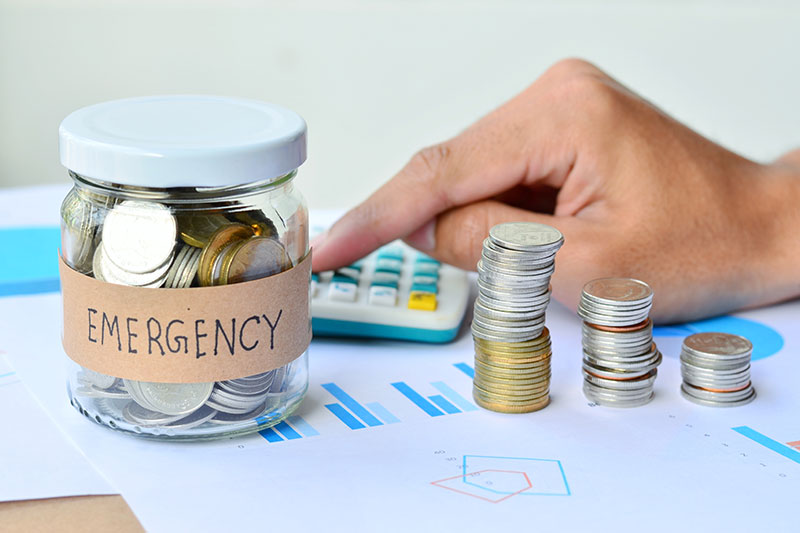
In today’s unpredictable economy, the question “how much emergency fund you should have?” has become more urgent than ever. Inflation in Nigeria has crossed 30%, the naira continues to fluctuate, and living costs are rising faster than salaries. According to a recent Nairametrics report, over 60% of Nigerian professionals say they could not handle an unexpected ₦500,000 emergency without borrowing.
This financial fragility is why understanding how much emergency funds I should have and knowing the best place to save emergency funds is essential. Whether you’re a business executive, startup founder, or investor, your financial security hinges on having a solid safety net.
In this article, we’ll break down exactly how much emergency fund you should have, why it matters, and where to keep your emergency fund to ensure liquidity, safety, and growth.
Why an Emergency Fund Is Non-Negotiable
Before answering how much emergency funds you should have, it’s important to understand their importance. An emergency fund is a dedicated reserve of money set aside to handle unexpected expenses, job loss, health emergencies, car repairs, or sudden business downturns.
The emergency fund cannot be overstated. Without it, even a minor disruption could derail long-term investment plans or force you to sell assets at a loss. For instance, many Nigerians during the COVID-19 lockdown had to liquidate their mutual funds and crypto holdings prematurely just to meet living expenses.
Financial planners generally recommend an emergency fund that can cover 3–6 months of essential expenses. However, for business owners or investors with fluctuating incomes, a 9–12 month buffer is more realistic.
In short, the answer to how much emergency fund you should have depends on your financial stability, lifestyle, and sources of income, but having one is non-negotiable.
How Much Emergency Fund You Should Have: The Formula That Works
Determining how much emergency fund you should have begins with calculating your monthly essentials: housing, food, transportation, healthcare, and utilities. Once that’s established, multiply the figure by the number of months you want your fund to cover.
For example:
If your monthly expenses are ₦400,000, then:
| Duration | Recommended Fund |
|---|---|
| 3 months | ₦1.2 million |
| 6 months | ₦2.4 million |
| 12 months | ₦4.8 million |
Professionals earning irregular incomes, such as consultants or entrepreneurs, should aim for the higher end. The idea isn’t just to save; it’s to sustain your lifestyle without stress when life throws surprises.
So, when next you ask, “How much emergency fund should you have?” think beyond a number. Think of it as your personal risk insurance against financial shocks.
Where to Keep Your Emergency Fund in Nigeria
Knowing where to keep your emergency fund is just as critical as knowing how much emergency fund you should have. The goal is to balance safety, liquidity, and accessibility, ensuring you can retrieve funds quickly without risking loss or unnecessary penalties.
1. High-Interest Savings Accounts
One of the best places to save an emergency fund in Nigeria is a high-yield savings account. Banks like Kuda, Moniepoint, and Stanbic IBTC offer interest rates of 8–12% per annum while maintaining easy withdrawal access.
2. Money Market Funds
Money market funds are ideal for professionals asking how much emergency funds they should have and where to grow them safely. Firms like ARM, FBNQuest, and Cowrywise offer returns between 10–15% annually, higher than traditional savings accounts, with easy redemption.
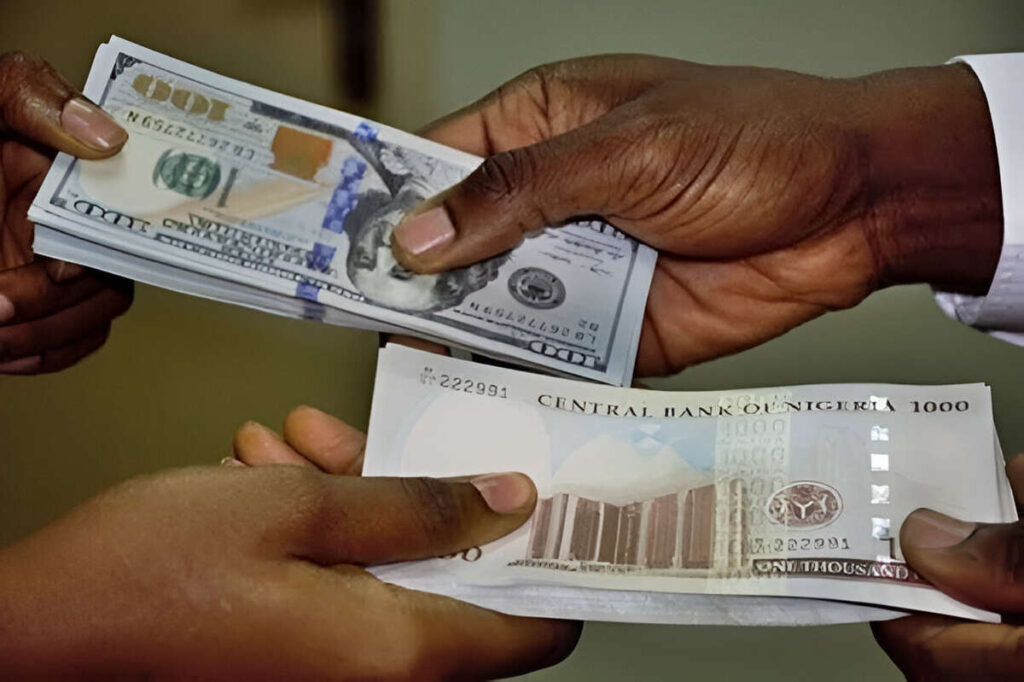
3. Treasury Bills
For investors seeking safety and moderate returns, Treasury Bills (T-bills) remain a stable option. You can split your emergency fund, keeping part in savings for immediate access and the rest in T-bills for growth.
4. Fixed Deposits (Short-Term)
If your emergency fund exceeds ₦3 million, consider short-term fixed deposits (30–90 days). They’re less liquid but offer slightly higher returns than savings accounts.
Ultimately, the best place to save an emergency fund depends on your balance between accessibility and interest growth.
Common Mistakes Nigerians Make With Their Emergency Funds
Even when people figure out how much emergency fund they should have, many fall into traps that weaken their financial resilience.
1. Keeping It in a Regular Account
Mixing your emergency fund with your daily spending account is a recipe for disaster. You’ll likely spend it impulsively.
2. Investing It in Risky Assets
Stocks, crypto, and real estate are not emergency fund vehicles. Their volatility defeats the purpose of liquidity.
3. Neglecting Inflation Impact
Nigeria’s inflation rate (above 30%) means your fund must grow modestly to retain value. That’s why identifying the best place to save an emergency fund matters, one that offers returns above inflation, if possible.
Case Study: The CEO Who Learned the Hard Way
In 2023, a Lagos-based fintech CEO earning over ₦2 million monthly faced an unexpected downturn when his startup funding got delayed. With no emergency fund, he had to sell equity at a loss to keep operations running.
After this experience, he reassessed how much emergency fund he should have for both personal and business needs. He built a 6-month fund worth ₦12 million, split between a money market account and T-bills. Within a year, this fund saved his company during another funding delay.
His story underscores that even high earners are vulnerable without an emergency reserve.
The Psychological Edge of an Emergency Fund
An often-overlooked benefit of asking how much emergency fund you should have is the peace of mind it brings. Financial stress is one of the top causes of burnout among Nigerian professionals.
With a well-structured fund, you can make clearer decisions, negotiate better deals, and take calculated risks without fear. The emergency fund’s importance extends beyond survival; it’s about strategic confidence.
Actionable Takeaways: Building Your Emergency Fund the Smart Way
Now that you understand how much emergency fund you should have and where to keep it, here’s how to start immediately:
1. Set a Target Amount
Use the 3–6 months rule to calculate how much emergency fund you should have based on your monthly essentials.
2. Automate Your Savings
Set up automatic transfers from your salary account into your emergency fund every payday.
3. Choose the Right Platform
Compare interest rates, liquidity, and security to find the best place to save an emergency fund that suits your lifestyle.
4. Review and Adjust Quarterly
Your expenses and income will change. Recalculate how much emergency fund you should have at least every three months.
5. Keep It Accessible But Untouchable
Ensure quick access in emergencies, but resist the temptation to withdraw for non-essentials.
By applying these strategies, you’ll not only know how much emergency fund you should have but also how to manage it effectively for long-term financial security.
Final Thoughts
In an economy as unpredictable as Nigeria’s, asking how much emergency fund you should have is not just a personal finance question; it’s a survival strategy. Whether you’re protecting your household, business, or investments, the key lies in preparation.
The emergency fund cannot be overstated. Build it, protect it, and keep it in the best place to save an emergency fund for maximum safety and growth.
Because when financial storms hit will your emergency fund will determine whether you sink or stay afloat.

Leave a Reply